
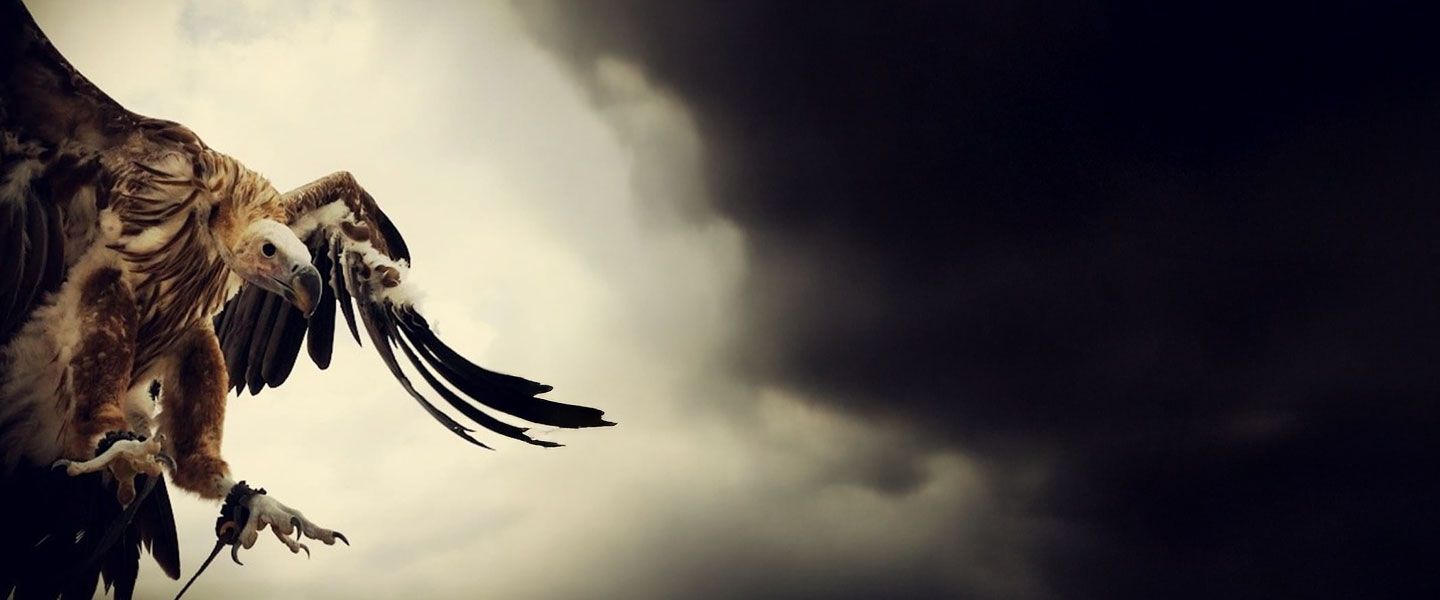
The African Vulture Crisis
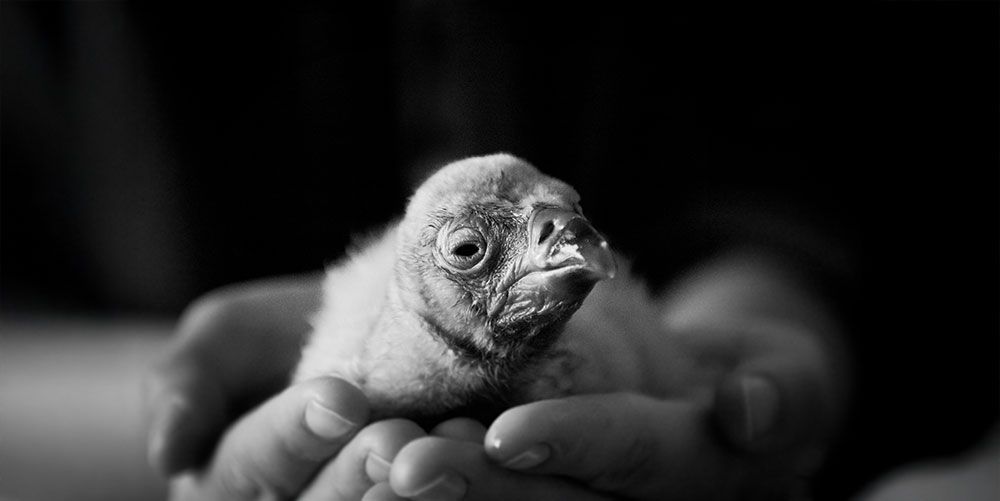
Vultures Need People
Vultures are currently the fastest declining group of birds globally. Africa’s vultures have declined by an average of 62% during the last 30 years and populations have plummeted up to 97% in some areas. Seven out of the eleven African vulture species are threatened.
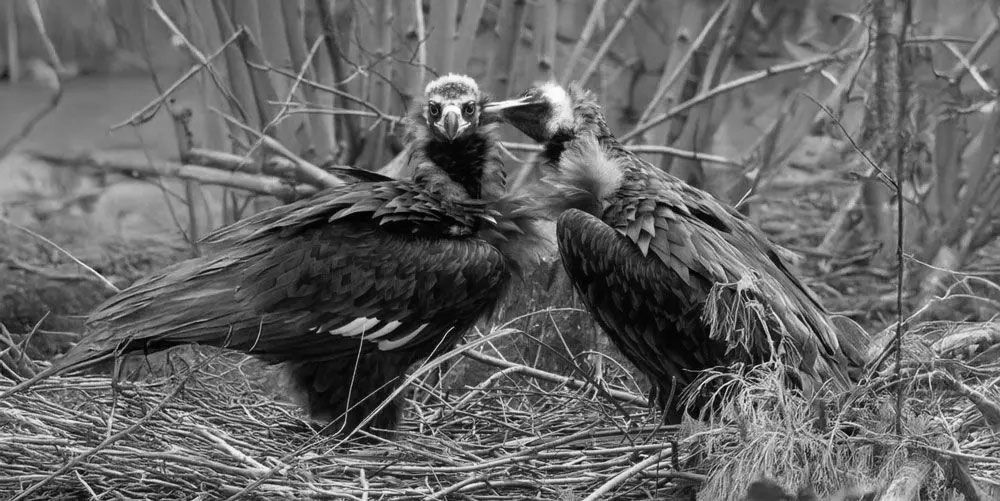
People Need Vultures
Vultures play a critical role in disease control. By feeding on carcasses, they likely limit the spread of deadly diseases - diseases that come at a critical cost. In India, the near extinction of vultures is estimated to have cost nearly $34 billion in human health and other impacts. Finding solutions to vulture declines in Africa is critical.
Threats to Vultures
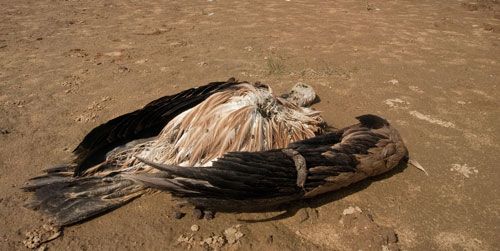
Poisoning
Poisoning events are one of the top reasons for African vulture decline. Approximately 60% of annual vulture deaths are a result of poisoning events. Poisoning occurs through both intentional and unintentional, or secondary, events.
Intentional Poisoning Events:
Vultures have been known to lead rangers to poached animals such as elephants and rhinos, and as a result poachers are poisoning poached carcasses to target sentinel vultures.
What’s Being Done? AV SAFE Partners are providing poisoning response training to rangers leading to reduced mortality at each incident, faster site clean up time to prevent secondary poisoning episodes, and more effective evidence collection leading to the arrest of perpetrators.
Unintentional Poisoning Events:
Africa’s native predators have threatened African livestock. In an attempt to mitigate livestock losses, some pastoralists and commercial farmers have set out poisoned meat to target predators. However, non-target animals also scavenge the meat causing the unintentional deaths of up to 1000s of other animals, including vultures.
What’s Being Done? The Peregrine Fund’s Stop Poisoning Now campaign is working with local communities to reduce carnivore conflicts and retaliation as well as raise awareness about illicit use of poisons.
Collisions
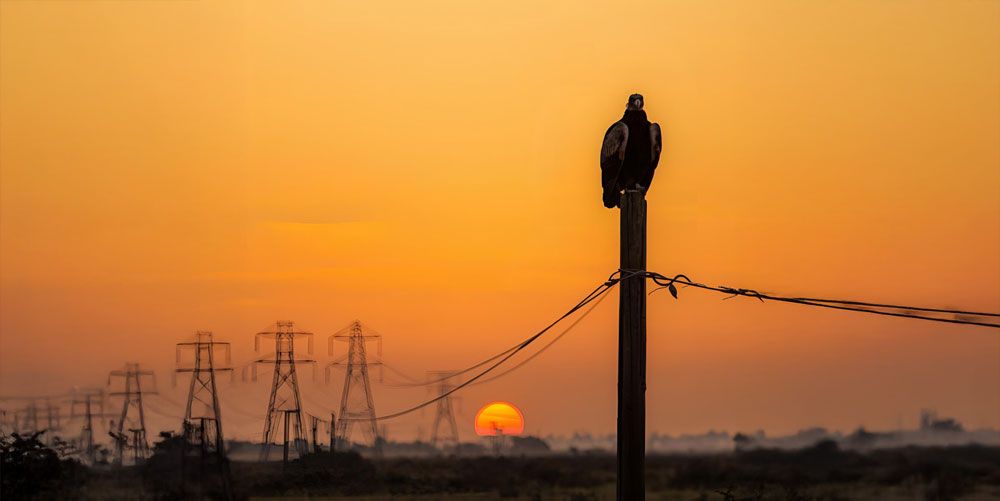
As energy demand increases in Africa, so too have vulture injuries and mortalities due to collisions and electrocutions. Despite vultures’ acute vision, their focused field of view while foraging can make them unaware of power lines and wind turbines along their flight path. Electrocution on power poles occurs when the bird is perching on poorly designed power lines and uninsulated poles. Approximately 9% of annual vulture deaths are a result of man-made infrastructure.
What’s Being Done? AV SAFE partners in South Africa are surveying high-risk power lines and notifying local infrastructure companies with high-risk collision infrastructure about areas of concern. Collaboration with these companies results in power line mitigation to reduce vulture mortalities and injuries. AV SAFE partners are also working to prevent construction of wind farms and power lines in high use vulture habitats, based on natural history and telemetry and GPS data being collected by field teams.
Poaching
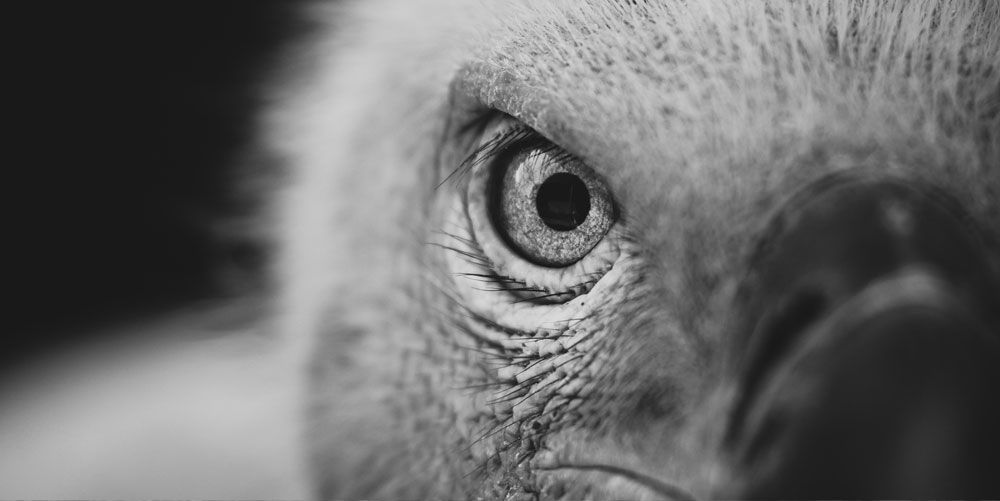
Vultures are targeted by some cultures who use various vulture parts in their traditional belief-based practices. In some areas, vulture meat is poached and consumed as bushmeat by people as a much-needed source of protein. Belief-based poaching results in approximately 30% of vulture deaths annually and bushmeat poaching results in approximately 1%. While poaching is common throughout Africa, it is the leading cause of vulture decline in West Africa.
What’s Being Done? Surveys of bushmeat and fetish markets across Africa keep tabs on species present for sale. Studies have shown that a reduction in illegal sales correlates with increased education and outreach.
Habitat Loss
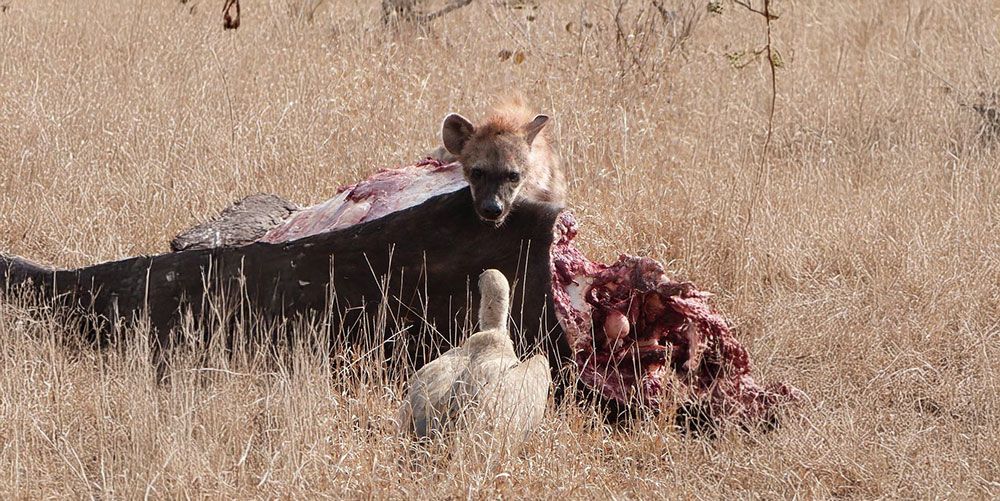
Expanding land use for agriculture, housing, and businesses means not only a direct habitat loss for vultures, but also the animals they scavenge. Wildlife is increasingly confined to game reserves and parks, concentrating and reducing animal populations, and limiting territory opportunities.
What’s Being Done? Many organizations, including AV SAFE partners, are educating communities about the benefits of vultures for healthy ecosystems and the economic benefits of wildlife. Vultures will travel across borders in search of food, so vulture conservation requires targeted collaboration.