
All About Vultures
African Vultures
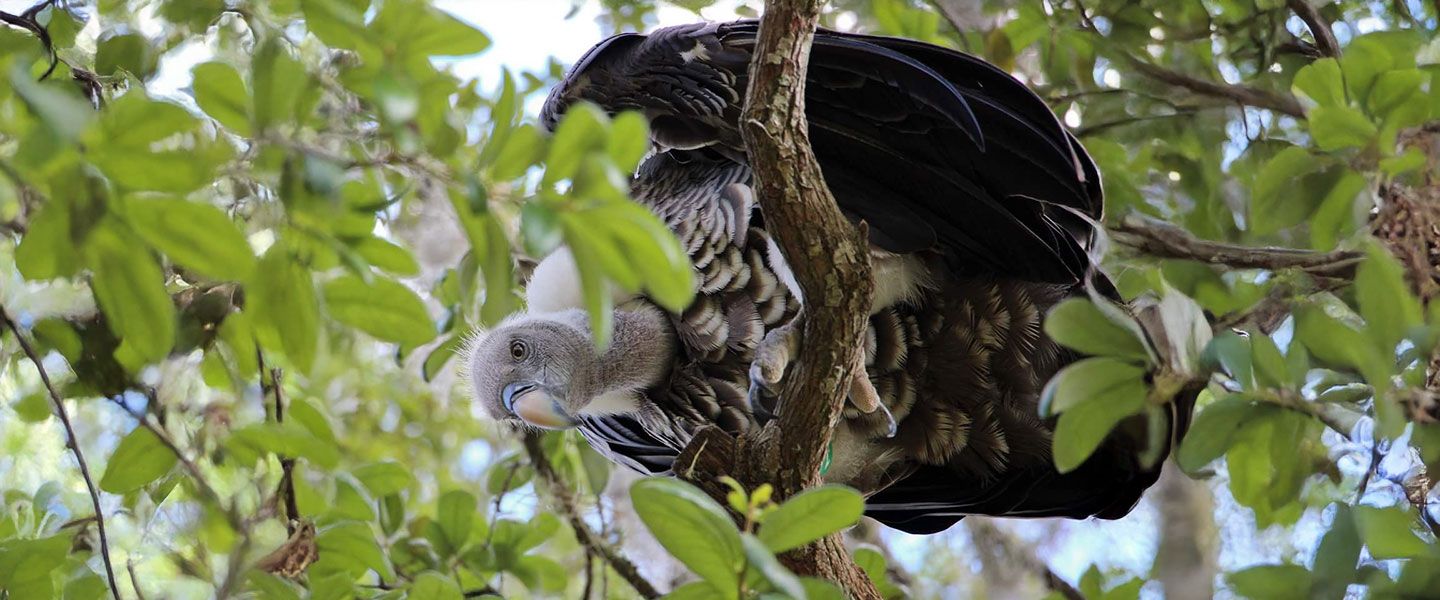
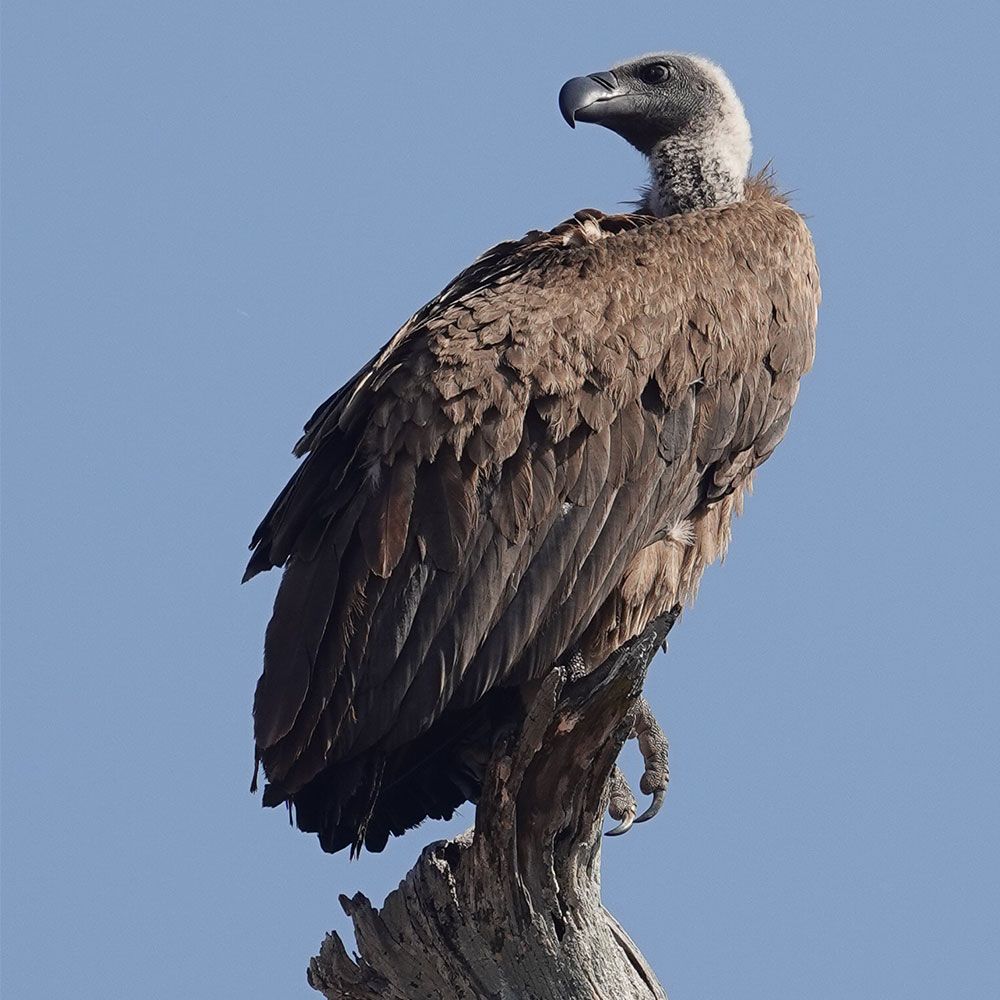
Of the 23 species of vultures worldwide, no two look exactly alike, in fact vultures come in all sorts of shapes, sizes, and colors - but there is one thing that links them: a craving for carrion.
Eleven species of vulture can be seen throughout Africa’s vast continent, five of which are endemic to Africa. While they were once a common sight, vulture numbers have plummeted and now seven of those eleven species are imperiled.
Let’s be honest, vultures haven’t gotten the best reputation over the years. When looking out on the African savannah, the iconic lions, elephants, giraffes, and other charismatic megafauna overshadow this valued animal which will always have a close association with death. And yet, they deserve more celebrity. Vultures play an integral role in our ecosystem, cleaning carrion that would otherwise fester on the landscape, likely limiting the spread of disease. They are the ultimate recyclers, they are our clean-up crew, they keep us safe from the natural processes of death and decay.
We are learning the value of recycling and restoration as a means effort to recover our plant now, but these are behaviors that have been ingrained in vulture DNA for millennia.
Vulture Facts
Nature’s Cleanup Crew
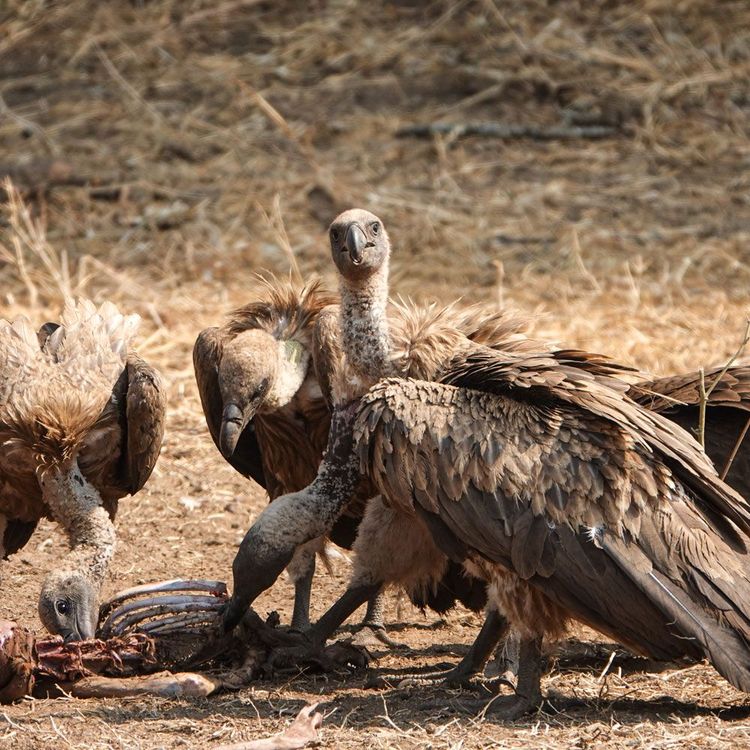
Native African predators typically consume 30% of their kills, which means that vultures and other scavengers clear up to 70% of all the carrion in their ecosystem. As aerial scavengers, vultures consume carrion at a kill site instead of dragging it to a sheltered territory, like some terrestrial scavengers. This behavior, and their unique adaptation to digest rotting meat without contracting disease, likely limits the spread of disease. Limiting the spread of disease can help protect wildlife, domestic animals, and humans.
Scavenging Specialists
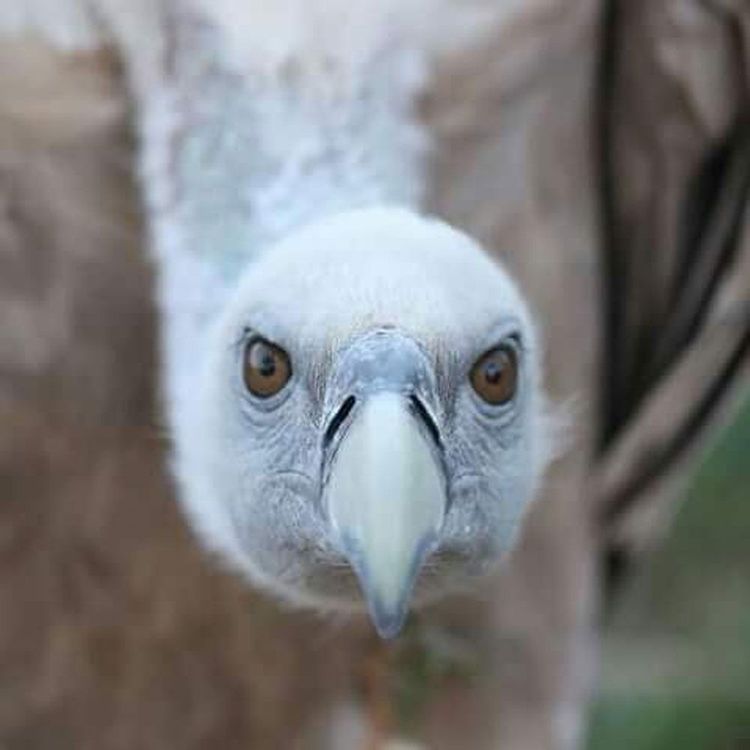
As a group, vultures are uniquely adapted to their scavenging lifestyle. Because they are reliant on opportunistic food sources, they have adapted strong eyesight and the incredible ability to soar. Some vulture species can soar over a hundred miles in a single day in order to detect potential meals. Their bald heads serve a dual purpose, they are both hygienic, with no feathers to clump up from blood and bodily fluids, and they help regulate their temperature with the help of their ruff or ring of neck feathers. Low pH levels in their stomachs help digest rotting meat quickly and kill off disease vectors like anthrax, botulism, and rabies.
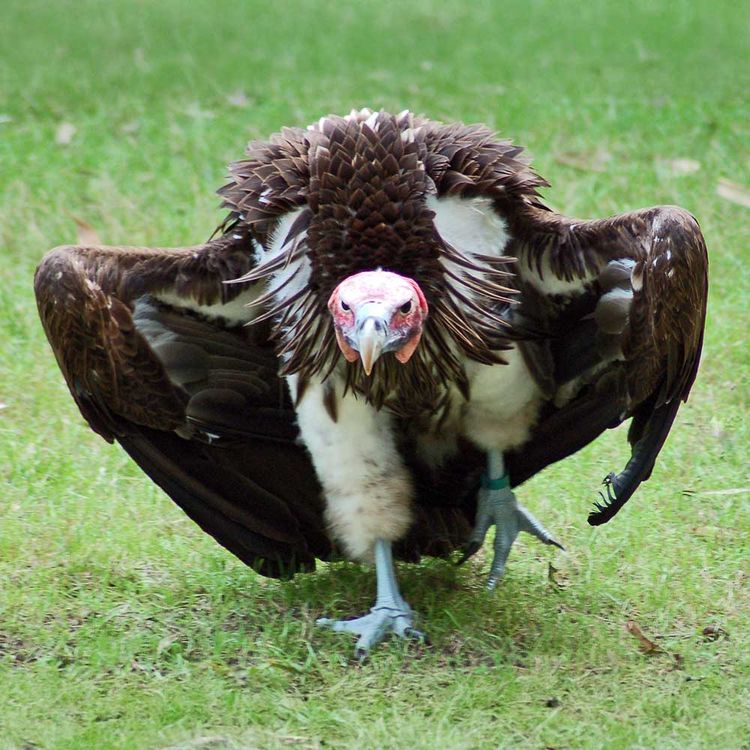
Cultural Icons
Vultures have played many roles in religion, mythology, and rituals throughout human history. In Egypt, vultures symbolized motherhood, protection, and divine authority while in Andean cultures, condors symbolized renewal, transformation, and balance within nature’s life cycle. Vultures also play a role in Tibetan Buddhism through their crucial role in “Sky burials”. However, modern narratives have turned vulture scavenging behavior from restoration and renewal to metaphors for greed, cowardice, and corruption. Understanding cultural interpretations have played a key role in conservation strategies.
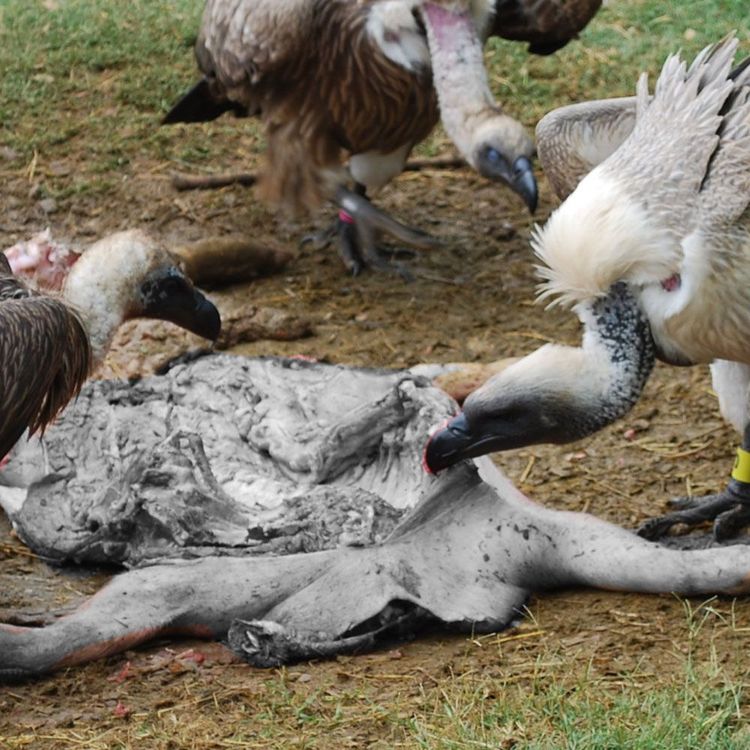
Voracious Vultures
Vultures are obligate scavengers, meaning they rely almost exclusively on dead animals for food. 23 species of vultures means 23 opportunities to successfully scavenge anything from a rodent to a blue whale. Specialization allows vultures a wide range of food sources and the ability to digest every part of any sized carcass. For instance, bearded vultures have strong beaks adapted for bone consumption, while lappet-faced vulture beaks are specialized to tear through hide and tendons. In a single setting, vultures can consume up to 20% of their body weight, allowing them to feed their young and go several days between feeding sessions.
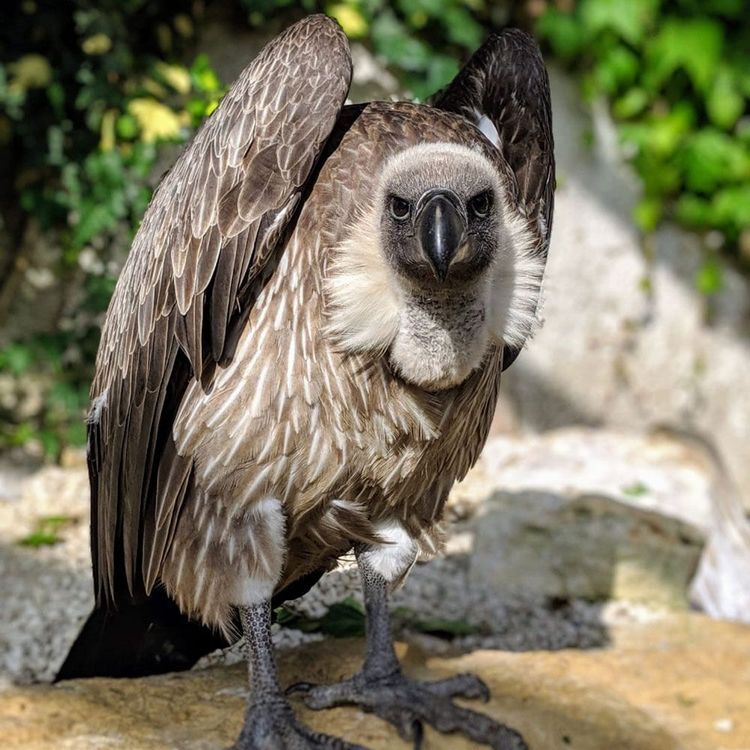
Self Cleansers
When it gets hot, vultures get going - literally. Vultures will excrete urate-rich urine on their legs, a process known as urohidrosis, to help cool themselves down. This process also kills off residual parasites and bacteria from consumed carrion.
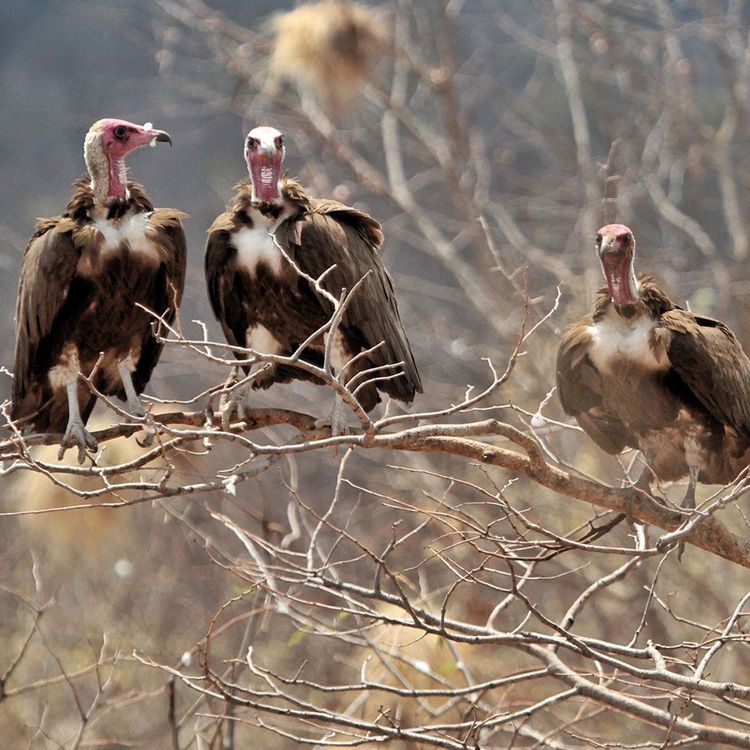
Social Creatures
Vultures are very social creatures, congregating in large flocks and acting through social hierarchy. They are also very intelligent, playful, and crafty. Some vulture species have been known to use tools to help break open eggs as a food source.
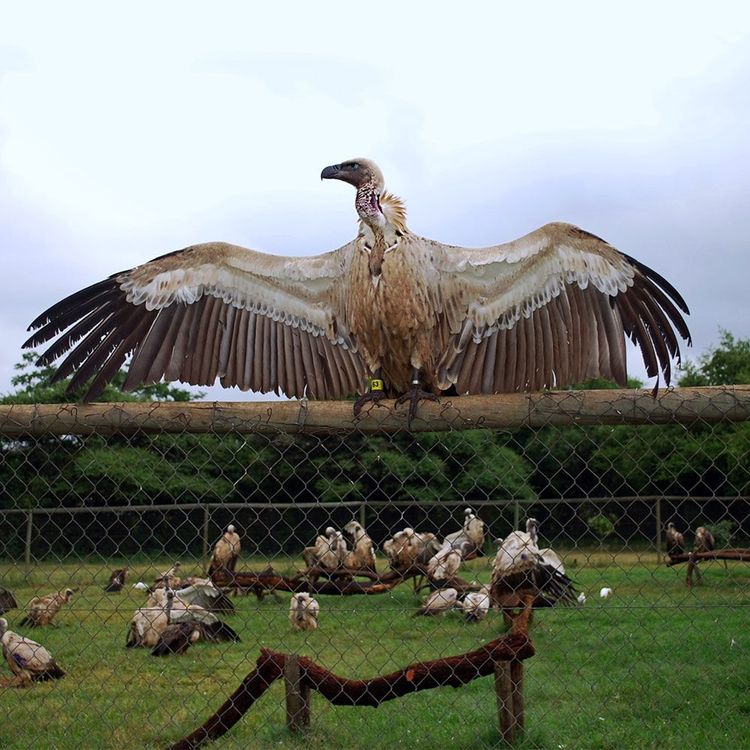
Wings Out
Vultures may not drink coffee, but they do have their own routine for waking up and getting going in the morning. Known as the horaltic pose, vultures will sit with their wings open, typically in the morning, to warm up, or to dry off after a rainstorm. This also has the benefit of utilizing the sun’s UV rays to kill off residual bacteria and parasites.
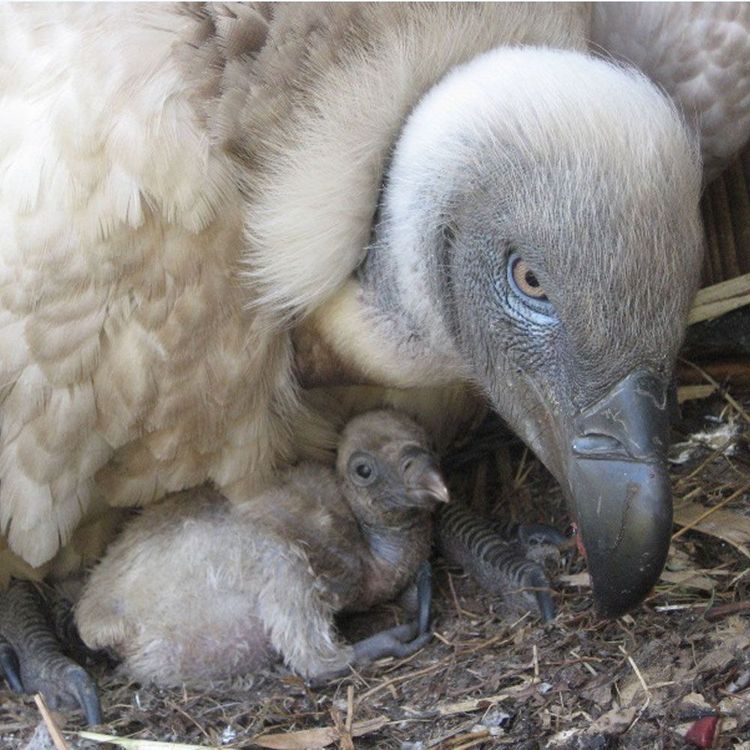
Parental Prowess
Most vultures find one mate and remain loyal for their entire lives. Notably, most pairs not only mate for life, but also stay with each other throughout the year. Most vulture males and females also take turns sitting on a nest and caring for their offspring, so they can take turns finding food.