African Vulture SAFE

Save Vultures

Keep the Skies Alive

healthy vultures = healthy Ecosystems = healthy people
SAFE Saving Animals From Extinction

African Vulture SAFE focuses the collective expertise within accredited zoos and aquariums, leveraging their massive audience to protect Africa’s most imperiled vultures through science, advocacy, and community-led conservation.

Together, we can keep the skies alive.

Meet the Six SAFE Vultures

Full Species Profiles
bgimage

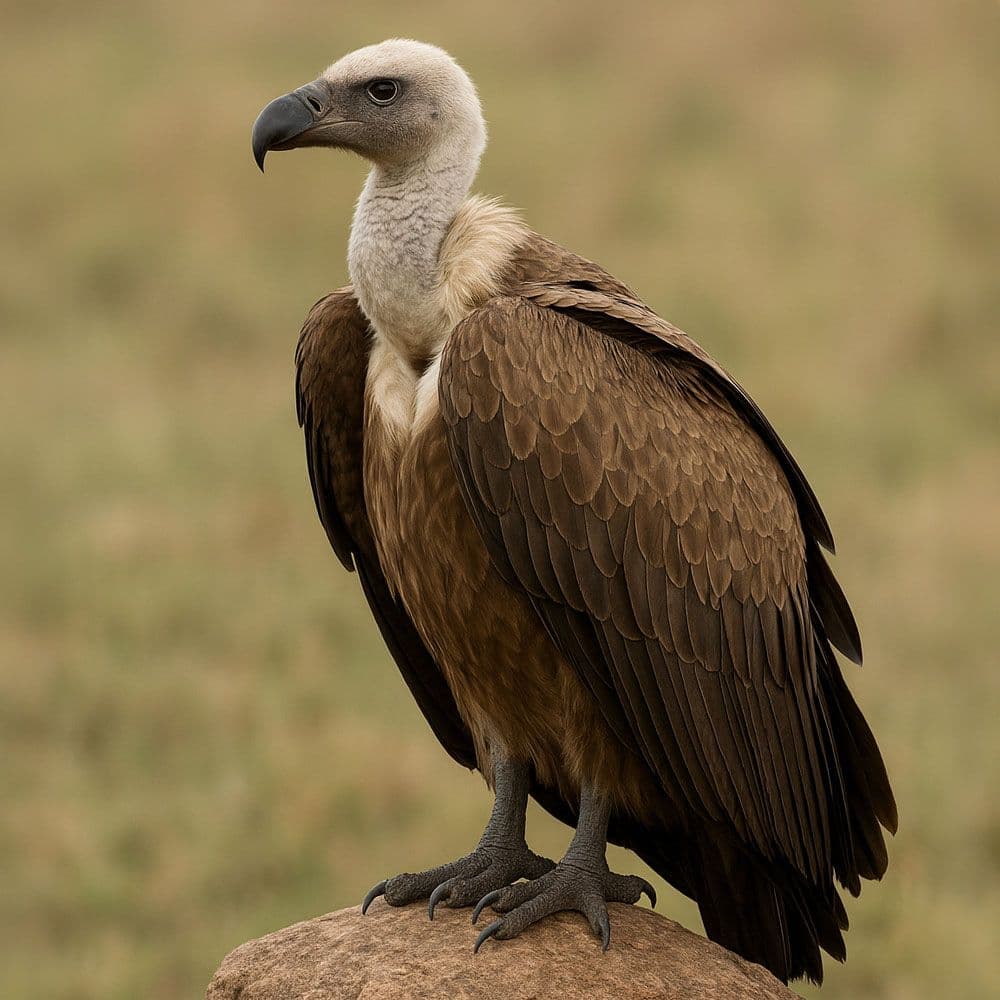
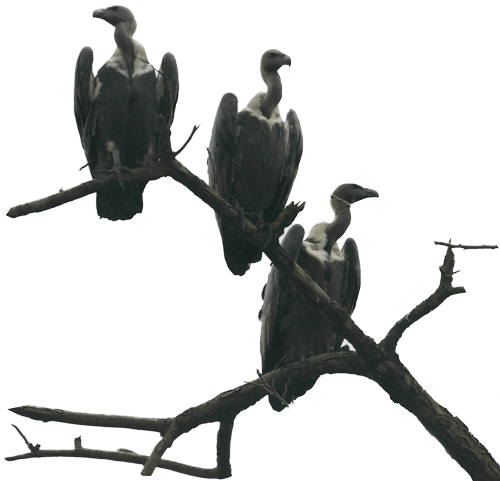
White-backed vulture (Gyps africanus)

Around 100 White-backed vultures can strip a 100-pound carcass clean in about three minutes.

Critically Endangered
bgimage

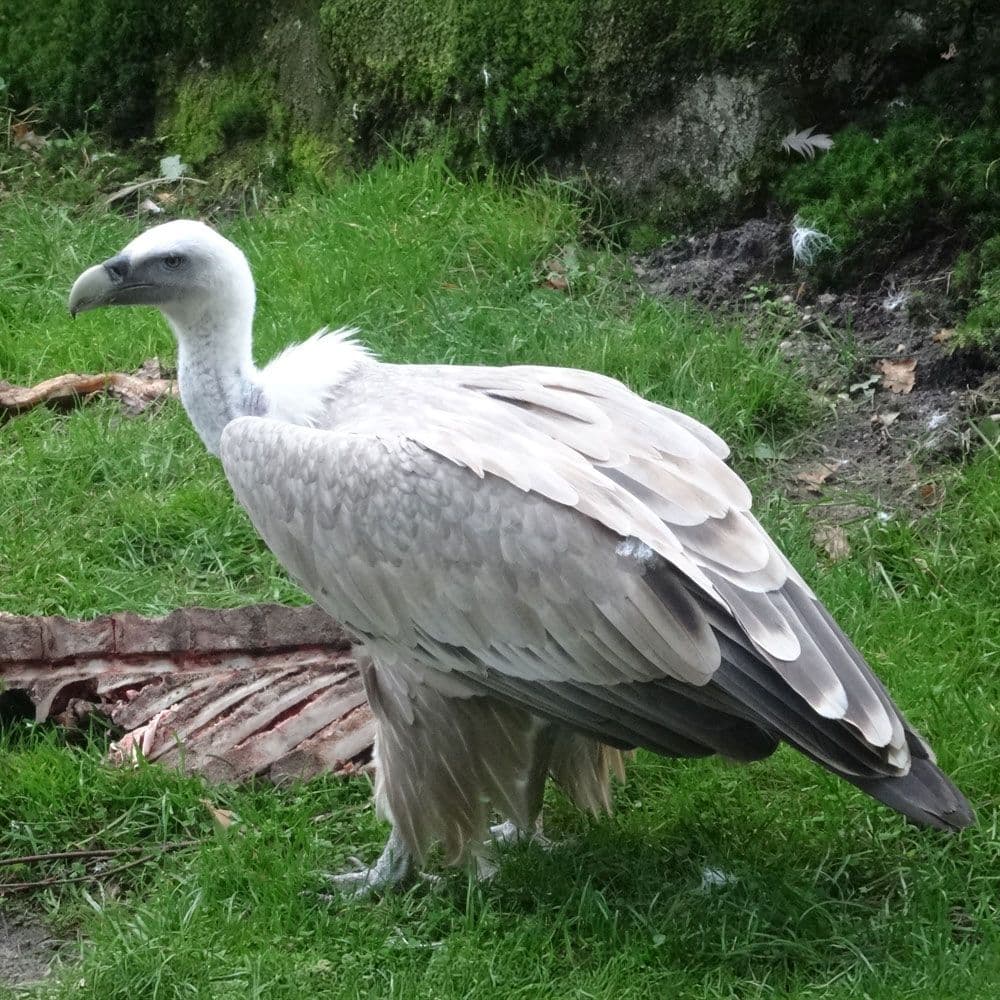
Rüppell’s Griffon vulture (Gyps rueppelli)

Holds the record for the highest flying bird in the world, reaching heights of 11,300 meters (37,100 feet) to be exact.

Critically Endangered
bgimage

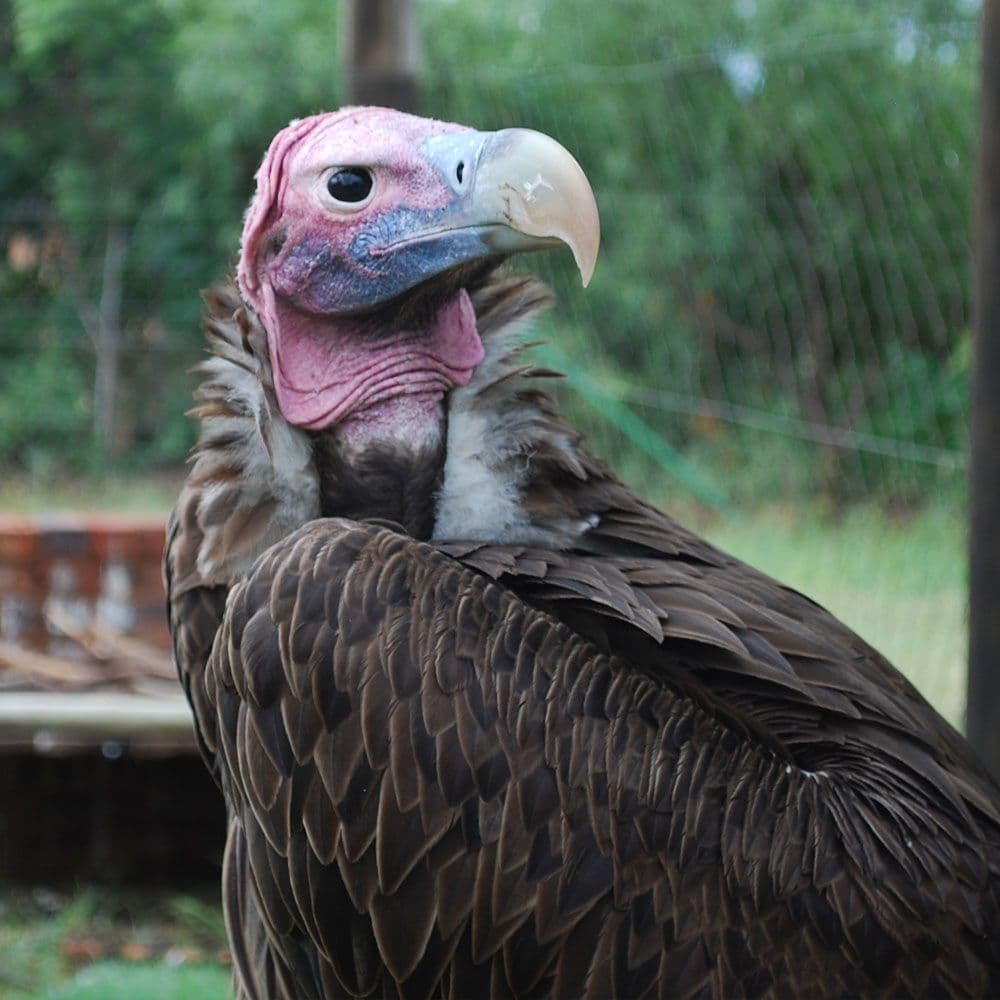
Lappet-faced vulture (Torgos tracheliotos)

Possesses one of the strongest beaks in Africa, adapted for tearing through skin and tendons that are too tough for other vultures.

Endangered
bgimage

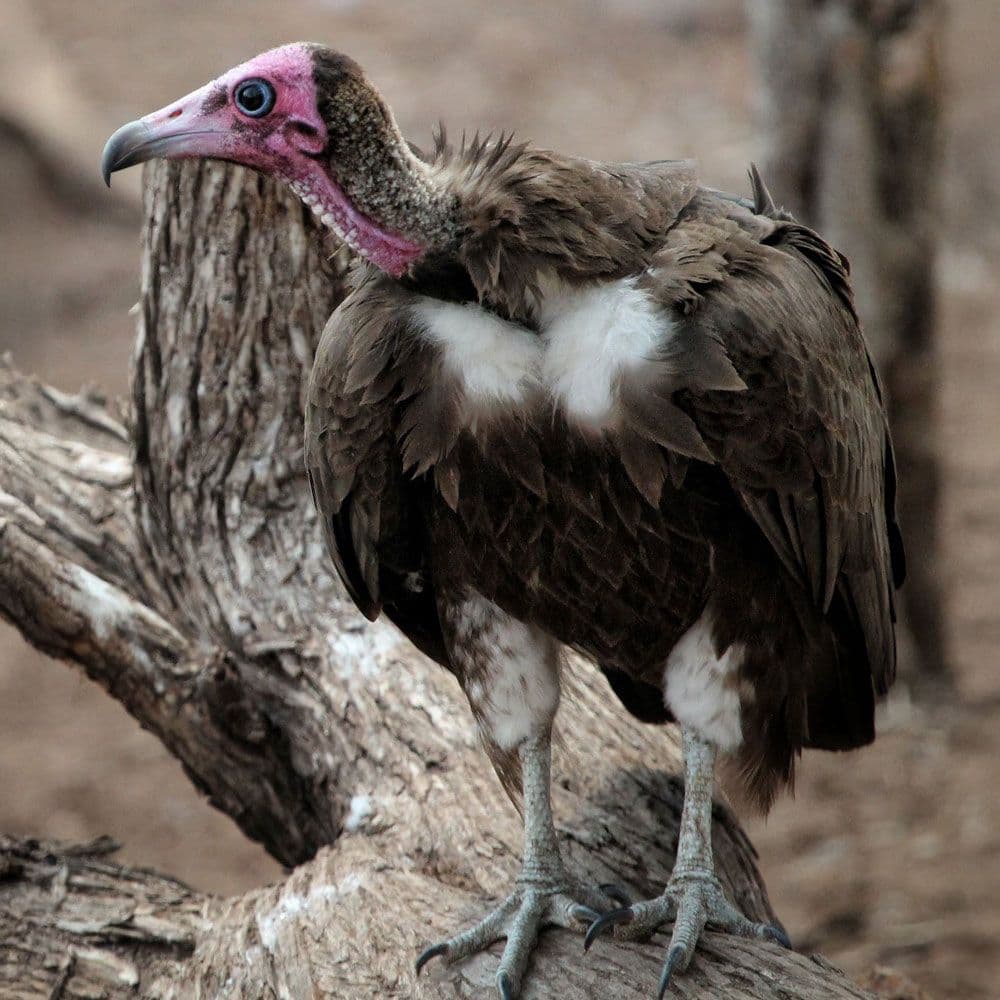
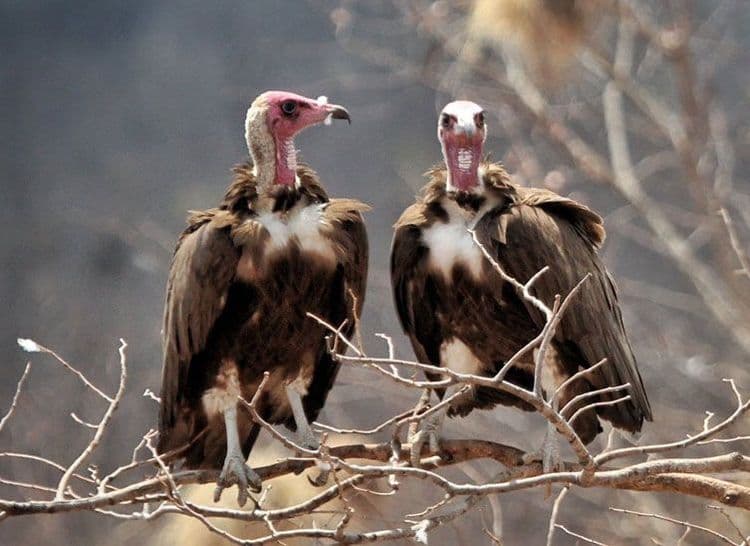
Hooded vulture (Necrosyrtes monachus)

One of the smallest vultures in Africa, scientists believe they are monogamous - meaning one male and one female will stay together in a pair for life.

Critically Endangered
bgimage

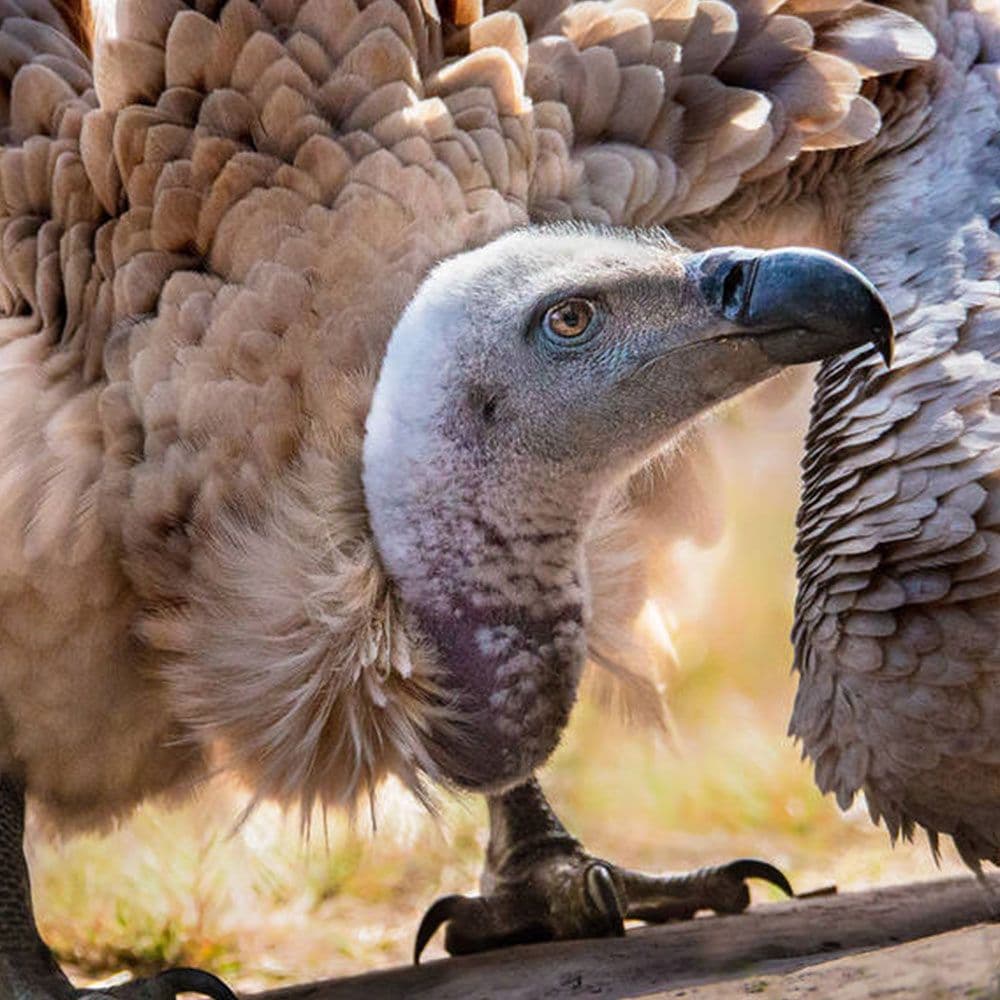
Cape vulture (Gyps coprotheres)

Rivaling only a few other birds, namely the great white pelican and kori bustard, they are the largest flying bird native to Africa, weighing between 15-24 pounds with a 7 ½ to 8 ½ foot wingspan.

Vulnerable
bgimage

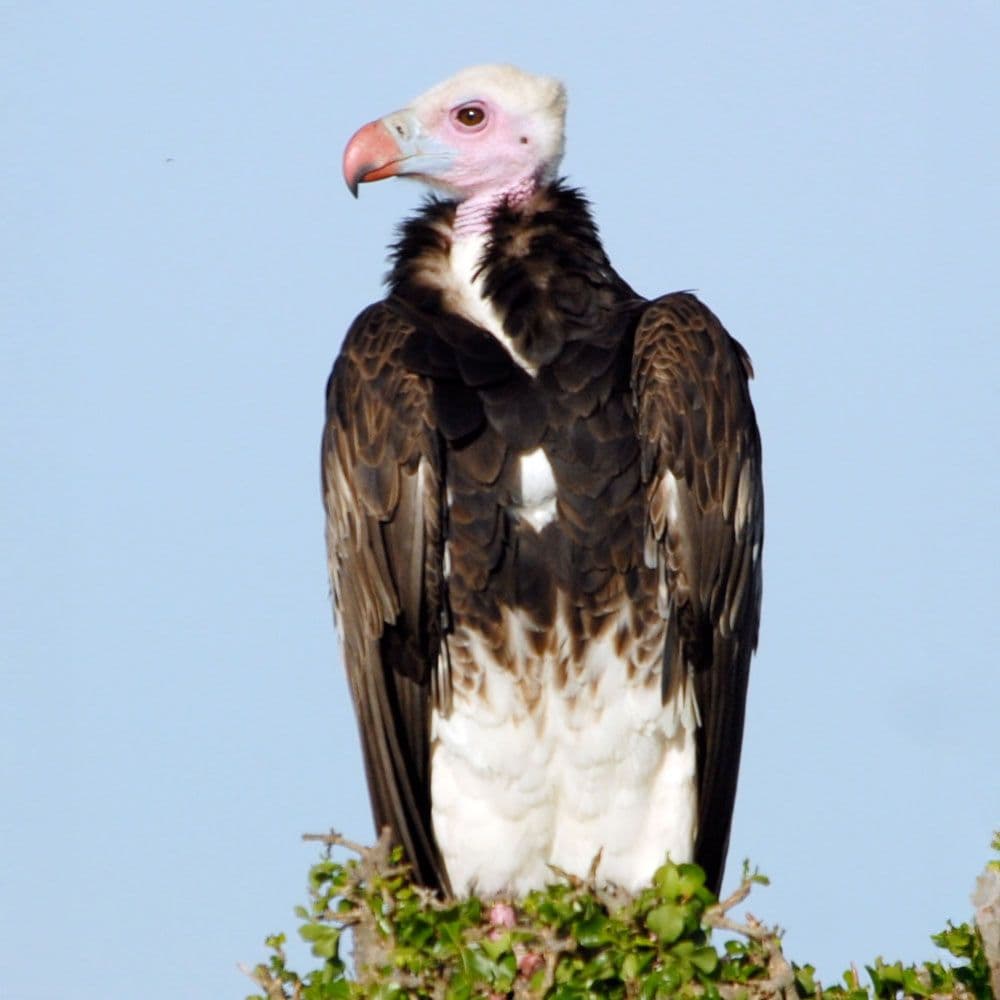
White-headed vulture (Trigonoceps occipitalis)

The white-headed vulture is the only species found within its genus. They have unique wing patterns that allow some scientists to be able to recognize individuals in the field.

Critically Endangered

African vultures are vanishing — and with them, nature’s most vital cleanup crew
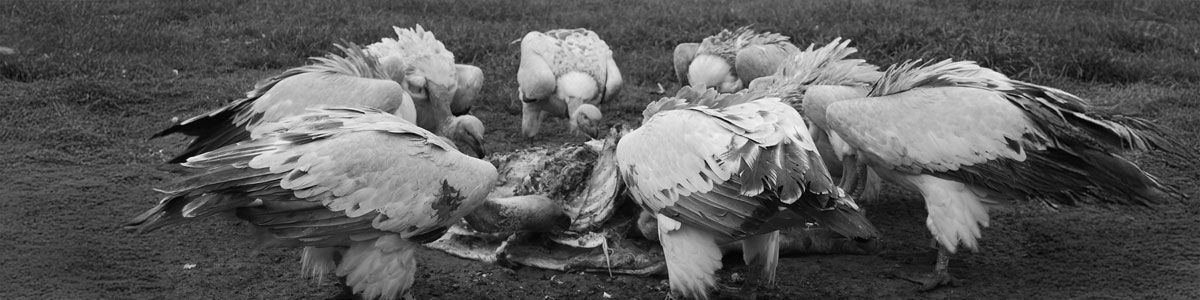
Nature's own cleaning crew

These majestic scavengers likely prevent the spread of deadly diseases, maintain ecological balance, and hold a sacred role in Africa’s wild heritage.

Nature’s Clean-Up Crew – Vultures clear up to 70% of Africa’s carrion, likely preventing the spread of disease from these carcasses.
Biodiversity Guardians – Their survival supports the entire ecosystem.
Cultural Icons – Revered across many African cultures for their wisdom and vision.

Yet today, some vulture species have seen up to a 97% decline over the last 50 years. It’s a crisis. But there’s still hope – and it begins with you.
How You Can Help

bgimage

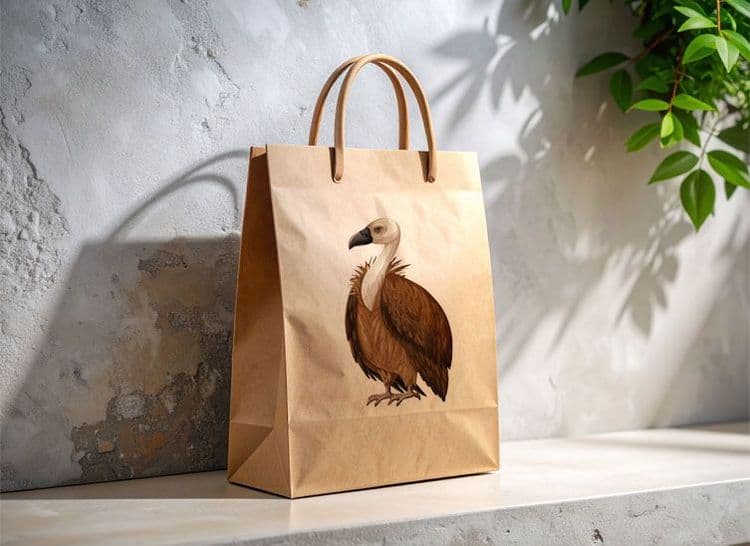
Shop & Donate

Every dollar fights poisoning, funds research, and trains raptor rescue teams.


bgimage

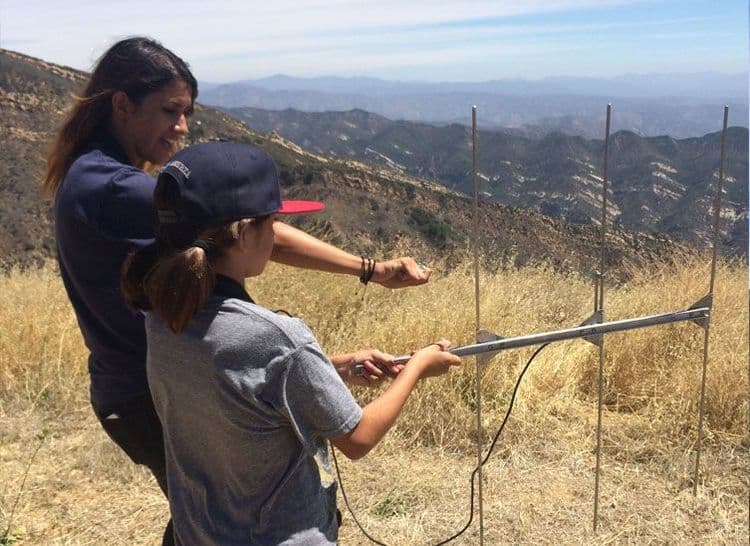
Involve Youth

Bring vulture stories into schools, clubs, and communities.

bgimage

Be a Voice

Share their story. Organize events (International Vulture Awareness Day). Amplify their fight for survival.

Shop & Support African Vultures SAFE